
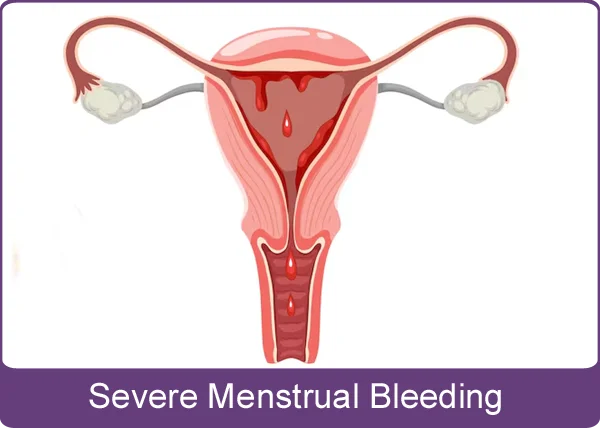
Severe Menstrual Bleeding
Severe menstrual bleeding, also known as heavy menstrual bleeding or menorrhagia, is a common gynaecological concern that can affect a woman’s health, comfort, and daily routine. Periods that last longer than usual, require frequent changing of sanitary products, involve large blood clots, or cause weakness and fatigue should not be ignored.
At her gynaecology practice in Shalimar Bagh, Delhi, Dr. Richa Arora Miglani, Minimally Invasive Gynaecological & Robotic Surgeon, provides individualised assessment and treatment for heavy menstrual bleeding. Treatment depends on the underlying cause, the severity of symptoms, the patient’s age, medical history, and whether she wishes to have children in the future.
What Is Severe Menstrual Bleeding?
Severe menstrual bleeding refers to menstrual blood loss that is unusually heavy, lasts longer than expected, or interferes with everyday activities. It may occur occasionally or during every menstrual cycle.
Heavy periods can sometimes indicate an underlying condition such as uterine fibroids, adenomyosis, hormonal imbalance, or uterine polyps. Ongoing blood loss may also lead to iron deficiency and anaemia, causing tiredness, dizziness, and reduced energy.
Seeking severe menstrual bleeding treatment in Shalimar Bagh can help identify the cause and determine the most appropriate management plan.
Symptoms of Heavy Menstrual Bleeding
Women experiencing heavy menstrual bleeding may notice one or more of the following symptoms:
-
Menstrual periods lasting longer than seven days.
-
Needing to change sanitary pads or tampons very frequently.
-
Passing large blood clots during periods.
-
Bleeding through clothes or bedding despite using menstrual products.
-
Needing to wake up during the night to change sanitary products.
-
Feeling unusually tired, weak, or dizzy during or after periods.
-
Breathlessness or reduced stamina associated with anaemia.
-
Menstrual cramps or pelvic pain.
-
Periods that interfere with work, exercise, sleep, or everyday activities.
The severity and pattern of bleeding vary from person to person. A gynaecological assessment can help establish whether further investigation or treatment is necessary.
Common Causes of Severe Menstrual Bleeding
Heavy menstrual bleeding can occur for several reasons, including:
1. Uterine Fibroids
Fibroids are non-cancerous growths in or around the uterus. Depending on their size and location, they can contribute to heavy periods, pelvic pressure, and prolonged bleeding.
2. Hormonal Imbalance
Changes in oestrogen and progesterone levels can affect the menstrual cycle and the lining of the uterus, sometimes resulting in irregular or heavy bleeding.
3. Adenomyosis
Adenomyosis occurs when tissue similar to the uterine lining grows into the muscular wall of the uterus. It may cause heavy periods, painful menstruation, and pelvic discomfort.
4. Uterine Polyps
Uterine polyps are growths within the uterine lining that may cause heavy periods, irregular bleeding, or bleeding between periods.
5. Thyroid and Other Medical Conditions
Thyroid disorders, certain bleeding disorders, and other medical conditions may contribute to abnormal menstrual bleeding.
6. Medicines and Contraceptive Methods
Some medicines, anticoagulants, and certain contraceptive methods can affect menstrual bleeding. A clinician can assess whether a medicine or contraceptive method may be contributing.
7. Other Gynaecological Conditions
Persistent or unusual bleeding can sometimes be associated with endometrial abnormalities or other conditions that require further assessment. Bleeding during pregnancy or after menopause needs specific medical evaluation rather than being treated as an ordinary heavy period.
Diagnosis of Severe Menstrual Bleeding
Accurate diagnosis is important for selecting effective treatment. Dr. Richa Arora Miglani may recommend investigations based on the patient’s symptoms, age, medical history, and examination findings.
Medical History and Gynaecological Assessment
The assessment may include questions about menstrual patterns, bleeding duration, pain, medication use, pregnancy possibility, previous treatments, and future fertility plans.
Blood Tests
A complete blood count may be recommended to check for anaemia. Iron studies and other blood tests may be appropriate depending on symptoms and medical history.
Pelvic Ultrasound
Ultrasound imaging can help assess the uterus, uterine lining, ovaries, and possible causes such as fibroids or adenomyosis.
Hormonal or Other Tests
Thyroid testing, pregnancy testing, or additional investigations may be recommended when clinically appropriate.
Hysteroscopy or Endometrial Assessment
In selected cases, hysteroscopy allows the doctor to examine the inside of the uterus and identify abnormalities such as polyps. Endometrial sampling may be recommended depending on age, risk factors, and the pattern of bleeding.
Not every patient requires every test. The diagnostic plan is tailored to the individual.
Treatment Options for Severe Menstrual Bleeding
The most suitable treatment depends on the cause of bleeding, symptom severity, general health, and whether future pregnancy is desired. Treatment may involve medication, correction of iron deficiency, or a minimally invasive procedure.
1. Medication-Based Treatment
Depending on the clinical assessment, treatment may include medicines that reduce menstrual blood loss, anti-inflammatory medicines for menstrual pain, or hormonal treatments that help regulate bleeding. Options may include tranexamic acid, selected hormonal contraceptives, or progestogen-based treatment.
These treatments are not suitable for everyone. A gynaecologist should assess medical history, contraindications, and possible side effects before recommending medication.
2. Iron Supplementation
If heavy periods have caused iron deficiency or anaemia, iron supplementation and dietary guidance may be recommended. The underlying cause of the bleeding should also be addressed.
3. Hormonal Intrauterine Treatment
A levonorgestrel-releasing intrauterine system (LNG-IUS) may help reduce heavy menstrual bleeding in suitable patients. Its suitability depends on the underlying condition, medical history, and reproductive plans.
4. Hysteroscopic Polypectomy
If a uterine polyp is contributing to heavy bleeding, it may be removed using hysteroscopy. This procedure allows the doctor to treat selected abnormalities inside the uterus without a large abdominal incision.
5. Fibroid Treatment
When fibroids are responsible for heavy periods, treatment may include medication, myomectomy, or other appropriate procedures. The choice depends on the fibroids’ size and location, symptoms, and fertility goals.
6. Endometrial Ablation
Endometrial ablation may be considered for selected patients with heavy menstrual bleeding who do not wish to become pregnant in the future. Pregnancy after ablation can be dangerous, so it is not a fertility-preserving treatment and requires careful counselling.
7. Hysterectomy
Hysterectomy, or surgical removal of the uterus, may be considered when bleeding is severe or persistent, other treatments have not helped or are unsuitable, and the patient does not wish to carry a future pregnancy. It is a major procedure, and the benefits, risks, alternatives, and recovery requirements should be discussed thoroughly.
When Should You Seek Medical Help?
Arrange a gynaecological consultation if heavy periods repeatedly affect daily life, last longer than seven days, cause persistent fatigue, or are accompanied by significant pelvic pain.
Seek urgent medical assessment if you are soaking through approximately one pad or tampon per hour for several consecutive hours, particularly if bleeding continues or you feel unwell. Fainting, severe dizziness, chest pain, shortness of breath, or severe abdominal or pelvic pain also require urgent attention. If pregnancy is possible, heavy bleeding or pain should be assessed promptly.
Do not delay emergency care while waiting for a routine appointment.
Why Choose Dr. Richa Arora Miglani?
Choosing the right gynaecologist is important when menstrual bleeding is persistent, painful, or affecting overall health.
-
Experienced Gynaecological Surgeon: Dr. Richa Arora Miglani has over 25 years of experience in gynaecology and minimally invasive surgical care, as provided in her professional profile.
-
Individualised Treatment Planning: Management is tailored to symptoms, investigation findings, medical history, and future pregnancy preferences.
-
Minimally Invasive Surgical Expertise: When surgery is indicated, suitable laparoscopic or hysteroscopic approaches may help avoid larger incisions, depending on the condition.
-
Comprehensive Assessment: Evaluation focuses on identifying the underlying cause rather than treating bleeding symptoms alone.
-
Fertility Considerations: Treatment options are discussed in the context of whether the patient wants to conceive in the future.
-
Clear Counselling: Patients can discuss the expected benefits, potential risks, alternatives, and recovery associated with recommended treatments.
Women seeking severe menstrual bleeding treatment in Shalimar Bagh can consult Dr. Richa Arora Miglani to understand their symptoms and explore appropriate treatment options.
Frequently Asked Questions
1. What is considered severe menstrual bleeding?
Menstrual bleeding may be considered heavy when periods last longer than seven days, sanitary products need changing very frequently, large clots occur, or bleeding interferes with everyday activities. Symptoms of anaemia, such as persistent fatigue and dizziness, also warrant assessment.
2. What are the common causes of heavy periods?
Common causes include uterine fibroids, adenomyosis, hormonal imbalance, and uterine polyps. Thyroid disorders, bleeding conditions, medicines, and other gynaecological problems may also contribute. A medical assessment helps identify the likely cause.
3. Can severe menstrual bleeding be treated without surgery?
Yes. Many patients can be treated with medication, hormonal treatments, or an LNG-IUS, depending on the cause and their medical history. Surgery may be considered if symptoms persist or an underlying condition requires a procedure.
4. Can heavy periods cause anaemia?
Yes. Repeated or prolonged blood loss can reduce the body’s iron stores and cause iron-deficiency anaemia. Symptoms may include fatigue, weakness, dizziness, and shortness of breath. Blood tests can help assess whether anaemia or iron deficiency is present.
5. Will treatment for heavy periods affect my fertility?
The effect depends on the treatment. Some medicines and procedures may preserve the possibility of future pregnancy, while endometrial ablation and hysterectomy are not suitable for patients planning to carry a pregnancy. Discuss your fertility goals before choosing treatment.
6. When is surgery needed for severe menstrual bleeding?
Surgery may be recommended when medication is ineffective or unsuitable, or when conditions such as fibroids or polyps require procedural treatment. The appropriate option depends on the diagnosis, symptom severity, and reproductive plans.
7. When should I consult a gynaecologist for heavy periods?
Consult a gynaecologist if your periods regularly disrupt daily life, last longer than usual, involve frequent product changes or large clots, or cause fatigue and weakness. Seek urgent care for very heavy ongoing bleeding, fainting, severe dizziness, breathlessness, or severe pain.
8. Where can I get severe menstrual bleeding treatment in Shalimar Bagh?
You can consult Dr. Richa Arora Miglani, Minimally Invasive Gynaecological & Robotic Surgeon, for an assessment of heavy menstrual bleeding and guidance on suitable medical or surgical options in Shalimar Bagh, Delhi.
Category : Severe Menstrual Bleeding