
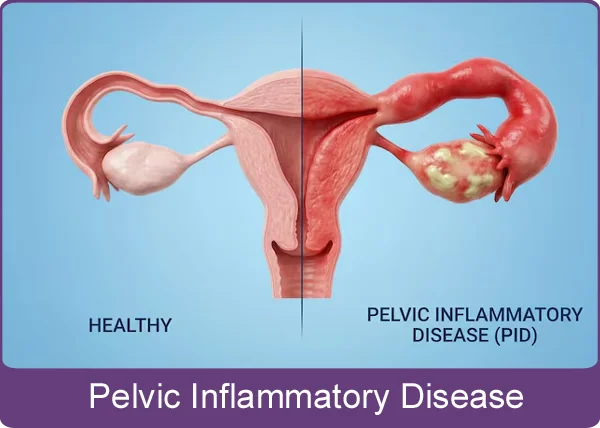
Pelvic Inflammatory Disease
Pelvic Inflammatory Disease (PID) is an infection of the female reproductive organs, including the uterus, fallopian tubes, and ovaries. It often develops when bacteria travel from the vagina or cervix into the upper reproductive tract. Early diagnosis and appropriate treatment are important because untreated PID can lead to complications such as chronic pelvic pain, scarring of the fallopian tubes, infertility, and an increased risk of ectopic pregnancy.
Dr. Richa Arora Miglani, Minimally Invasive Gynaecological and Robotic Surgeon, provides gynaecological evaluation and treatment planning for women experiencing pelvic pain, abnormal discharge, and other reproductive health concerns. Women seeking pelvic inflammatory disease treatment in Shalimar Bagh can consult for assessment, appropriate treatment, and follow-up care.
PID is usually treated with antibiotics. Severe infections or complications may require hospital care or a procedure. Prompt medical assessment helps determine the most suitable treatment.
What Is Pelvic Inflammatory Disease?
Pelvic Inflammatory Disease is an infection and inflammation of the upper female reproductive tract. It may affect one or more reproductive organs and can sometimes cause symptoms that are mild or difficult to recognize.
PID is frequently associated with sexually transmitted infections such as chlamydia and gonorrhoea, although other bacteria can also contribute. Symptoms may develop gradually or appear more suddenly. Because symptoms can overlap with other gynaecological and abdominal conditions, clinical evaluation is important.
PID should be treated promptly, even when symptoms are mild, to help reduce the risk of long-term complications.
Symptoms of Pelvic Inflammatory Disease
Symptoms of PID can range from mild discomfort to severe pelvic pain. Some women may have few or no noticeable symptoms.
Common symptoms include:
-
Pain in the lower abdomen or pelvic region.
-
Unusual vaginal discharge, sometimes with an unpleasant odour.
-
Pain during sexual intercourse.
-
Burning or discomfort while urinating.
-
Bleeding between menstrual periods.
-
Bleeding after sexual intercourse.
-
Heavier or more painful menstrual periods.
-
Fever, chills, nausea, or general weakness in more severe cases.
Seek urgent medical care if you experience severe pelvic pain, high fever, persistent vomiting, fainting, or symptoms during pregnancy. These may indicate a serious infection or another condition requiring emergency assessment.
Causes and Risk Factors of PID
Pelvic inflammatory disease develops when bacteria enter the upper reproductive tract. Several factors may increase the likelihood of infection.
-
Sexually transmitted infections: Chlamydia and gonorrhoea are common causes associated with PID.
-
Previous PID: A history of pelvic infection can increase the risk of another episode.
-
New or multiple sexual partners: These may increase exposure to sexually transmitted infections.
-
Unprotected sexual contact: This can increase the risk of acquiring infections that may lead to PID.
-
Previous reproductive tract infection: Certain infections can spread and cause inflammation in the upper reproductive organs.
-
Delayed treatment: Untreated cervical infections may progress to involve the uterus and fallopian tubes.
PID is not always caused by a sexually transmitted infection. A medical assessment is necessary to identify likely causes and determine appropriate treatment.
Diagnosis of Pelvic Inflammatory Disease
Early diagnosis helps prevent complications and supports timely treatment. Evaluation may include:
-
Medical history: Reviewing symptoms, menstrual history, sexual health, and previous infections.
-
Pelvic examination: Assessing tenderness and signs of inflammation or abnormal discharge.
-
Laboratory tests: Vaginal or cervical samples may be tested for chlamydia, gonorrhoea, and other infections.
-
Pregnancy test: Helps assess for pregnancy-related conditions, including ectopic pregnancy.
-
Blood and urine tests: May be recommended to evaluate infection and exclude other causes of symptoms.
-
Ultrasound imaging: May be used when an abscess or another pelvic condition is suspected.
No single test can identify every case of PID. A clinician may recommend starting treatment based on symptoms and examination findings rather than waiting for all test results.
Treatment Options for Pelvic Inflammatory Disease
Treatment depends on the severity of infection, the patient's health, pregnancy status, and whether complications are present.
1. Antibiotic Treatment
Antibiotics are the main treatment for PID. Treatment generally needs to cover a range of bacteria, including those commonly associated with sexually transmitted infections.
The choice of antibiotics, dosage, and duration should be determined by a healthcare professional. It is important to complete the prescribed course even if symptoms improve before treatment ends.
2. Hospital Treatment for Severe Infection
Hospital admission may be required when symptoms are severe, the diagnosis is uncertain, an abscess is suspected, the patient is pregnant, or oral treatment is unsuitable or unsuccessful.
Treatment may involve antibiotics administered through a vein, monitoring, and further investigations.
3. Treatment of a Pelvic Abscess
In some cases, PID can lead to a collection of infected fluid or pus known as a tubo-ovarian abscess. This may require hospital-based antibiotics and, in selected cases, drainage or surgery.
4. Follow-Up Care
Patients should generally be reassessed within 72 hours of starting treatment to confirm improvement. If symptoms do not improve or become worse, further evaluation and a change in treatment may be necessary.
Sexual partners may also need evaluation and treatment when a sexually transmitted infection is suspected or confirmed. Sexual activity should be avoided until treatment is completed, symptoms have resolved, and relevant partners have been treated, as advised by the clinician.
Complications of Untreated PID
Without appropriate treatment, PID can cause damage to reproductive tissues. Possible complications include:
-
Chronic pelvic pain: Persistent pain may develop because of inflammation and scarring.
-
Infertility: Damage or blockage of the fallopian tubes can affect the ability to conceive.
-
Ectopic pregnancy: Scarring of the fallopian tubes can increase the risk of a pregnancy developing outside the uterus.
-
Tubo-ovarian abscess: An infected collection may form around the fallopian tube and ovary.
-
Recurrent infection: Another episode of PID can increase the risk of further reproductive complications.
Early treatment reduces the risk of complications, although it cannot reverse damage that has already occurred.
Recovery and Prevention
Recovery depends on the severity of infection and how quickly treatment begins. Many patients start feeling better within a few days of appropriate antibiotics, but the full course of treatment must be completed.
Helpful measures include:
-
Take all prescribed antibiotics as directed.
-
Attend follow-up appointments and complete recommended tests.
-
Ensure sexual partners receive evaluation and treatment when indicated.
-
Avoid sexual activity until the treating clinician confirms it is appropriate to resume.
-
Consider STI testing and barrier protection to reduce the risk of future infections.
-
Seek reassessment if pain, fever, or abnormal discharge persists.
If PID has affected the fallopian tubes or fertility, a gynaecologist can discuss further evaluation and appropriate reproductive health support.
Why Consult Dr. Richa Arora Miglani?
Dr. Richa Arora Miglani specializes in gynaecological care, minimally invasive surgery, and the assessment and management of complex gynaecological conditions.
Women seeking pelvic inflammatory disease treatment in Shalimar Bagh can consult for evaluation of pelvic pain, abnormal discharge, and suspected reproductive tract infection. Treatment is tailored to the patient's symptoms, clinical findings, and medical history, with further investigation or surgical assessment when complications require it.
When Should You Consult a Gynaecologist?
Arrange a medical consultation if you experience persistent pelvic pain, unusual vaginal discharge, painful intercourse, irregular bleeding, or discomfort during urination.
Seek emergency care for severe or worsening abdominal pain, high fever, persistent vomiting, fainting, or symptoms during pregnancy. These may indicate a serious infection or another urgent medical condition.
Frequently Asked Questions
1. What is pelvic inflammatory disease?
Pelvic inflammatory disease is an infection of the upper female reproductive tract that may affect the uterus, fallopian tubes, or ovaries. It is commonly associated with certain sexually transmitted infections, but other bacteria can also cause it.
2. What are the early symptoms of PID?
Early symptoms may include lower abdominal pain, unusual vaginal discharge, painful intercourse, burning during urination, or irregular bleeding. Some women have mild symptoms or no obvious symptoms.
3. Can pelvic inflammatory disease be treated with antibiotics?
Yes. Antibiotics are the main treatment for PID. The medication must be selected by a healthcare professional, and the prescribed course should be completed. Severe cases may require hospital treatment.
4. Can PID affect fertility?
Yes. Untreated or recurrent PID can cause scarring and damage to the fallopian tubes, potentially affecting fertility and increasing the risk of ectopic pregnancy. Early treatment helps reduce these risks.
5. Is PID always caused by a sexually transmitted infection?
No. Although chlamydia and gonorrhoea are important causes, PID can also result from other bacteria. A clinician can recommend appropriate testing and treatment.
6. How long does recovery from PID take?
Symptoms may begin to improve within a few days of starting appropriate antibiotics, but recovery varies. Follow-up is important, especially if symptoms persist or worsen after treatment begins.
7. Can pelvic inflammatory disease return after treatment?
Yes. Reinfection can occur, particularly if an infected partner has not been treated. Following treatment recommendations, partner evaluation, and preventive measures can help reduce the risk.
8. Where can I get pelvic inflammatory disease treatment in Shalimar Bagh?
You can consult Dr. Richa Arora Miglani for gynaecological evaluation and treatment guidance. If you have severe pelvic pain, high fever, persistent vomiting, or symptoms during pregnancy, seek urgent medical care instead of waiting for a routine appointment.
Category : Pelvic Inflammatory Disease