
Radical Hysterectomy for Gynaecological Cancers
Gynaecological cancers affect the reproductive organs, including the cervix, uterus, ovaries, and other structures within the female pelvis. Depending on the type and stage of cancer, treatment may involve surgery, radiation therapy, chemotherapy, or a combination of approaches. For selected patients with early-stage cervical cancer, radical hysterectomy may be recommended as part of the treatment plan.
Dr. Richa Arora Miglani, Minimally Invasive Gynaecological and Robotic Surgeon, specializes in complex gynaecological surgical procedures, including minimally invasive and robotic-assisted techniques. The suitability of radical hysterectomy depends on the cancer diagnosis, stage, imaging findings, overall health, and recommendations from the treating gynaecological oncology team.
If you are looking for Radical Hysterectomy Surgery in Shalimar Bagh, a specialist consultation can help you understand the available surgical approaches, the importance of cancer staging, and the next steps in treatment planning.
What Is Radical Hysterectomy?
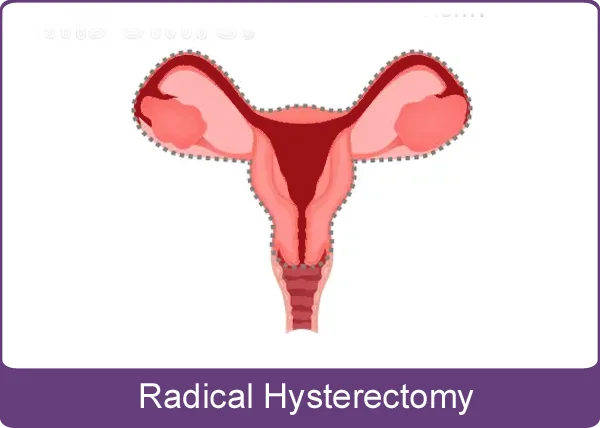
Radical hysterectomy is an operation that removes the uterus, cervix, surrounding tissues known as parametrial tissues, and a portion of the upper vagina. Pelvic lymph nodes may also be assessed or removed, depending on the cancer diagnosis and treatment plan.
Unlike a simple hysterectomy, which removes the uterus and cervix, radical hysterectomy involves removing additional tissues around the cervix to treat selected cancers.
The procedure is most commonly associated with the surgical management of certain cases of cervical cancer. It is not required for every gynaecological cancer, and the appropriate treatment depends on the cancer's type, stage, and individual clinical circumstances.
Types of Gynaecological Cancers
Radical hysterectomy may be considered in selected cases, primarily involving cervical cancer. Other gynaecological cancers generally require different surgical approaches depending on their location and stage.
1. Cervical Cancer
Cervical cancer develops in the cervix, the lower part of the uterus. For selected patients with early-stage disease, radical hysterectomy may be considered after specialist assessment. Other patients may be better suited to fertility-sparing surgery, radiation therapy, chemotherapy, or combined treatment.
2. Uterine Cancer
Uterine cancer, including endometrial cancer, develops in the lining or other tissues of the uterus. Treatment often involves a different type of hysterectomy and may include assessment of lymph nodes. Radical hysterectomy is not routinely required for all uterine cancers.
3. Ovarian Cancer
Ovarian cancer affects one or both ovaries. Treatment may involve ovarian surgery, removal of additional reproductive organs, and sometimes chemotherapy. The surgical plan depends on the suspected or confirmed cancer type and its extent.
4. Other Gynaecological Cancers
Cancers involving the vagina, vulva, or other pelvic structures require condition-specific assessment. The recommended treatment may involve surgery, radiation, systemic therapy, or coordinated multidisciplinary care.
When Is Radical Hysterectomy Recommended?
Radical hysterectomy may be considered when:
-
The patient has a type and stage of cervical cancer for which surgery is an appropriate treatment.
-
The cancer appears suitable for surgical removal based on clinical assessment and investigations.
-
The patient is medically fit for the proposed operation.
-
The anticipated benefits of surgery outweigh the potential risks.
-
The treatment plan has been reviewed with the appropriate gynaecological oncology specialists.
Not every patient with cervical cancer is a candidate for radical hysterectomy. For some cancers, particularly when disease is more extensive, chemoradiation or another treatment approach may be recommended instead.
Types of Radical Hysterectomy Surgery
The surgical approach depends on the cancer diagnosis, stage, tumour characteristics, and the treating specialist's recommendations.
1. Open Radical Hysterectomy
Open surgery is performed through an abdominal incision. It allows the surgeon to access the uterus, cervix, surrounding tissues, and other relevant structures.
The open approach may be recommended depending on the cancer's characteristics and the established oncological treatment plan.
2. Minimally Invasive Radical Hysterectomy
Minimally invasive surgery uses small incisions and a camera to access the pelvic organs. Although it may offer benefits such as smaller incisions and a shorter initial recovery, its role in cervical cancer treatment is limited by evidence showing worse cancer outcomes in certain patients compared with open surgery.
For this reason, minimally invasive radical hysterectomy is not routinely recommended for early-stage cervical cancer. The surgical approach must be selected according to current oncological guidance, the cancer's characteristics, and specialist assessment.
3. Robotic-Assisted Surgery
Robotic-assisted surgery uses instruments controlled by the surgeon through a robotic system. However, robotic technology does not automatically make a cancer operation safer or more effective. For radical hysterectomy in cervical cancer, the potential risks and oncological outcomes must be carefully considered, and an open approach is generally preferred when radical hysterectomy is indicated.
Evaluation Before Radical Hysterectomy
Thorough evaluation is essential to confirm the diagnosis, establish the stage of cancer, and determine the most appropriate treatment.
1. Gynaecological and Oncology Consultation
The specialist reviews symptoms, medical history, previous investigations, and the suspected or confirmed cancer diagnosis.
2. Biopsy and Histopathology
A tissue sample is examined to establish the cancer type and other relevant characteristics.
3. Imaging Investigations
MRI, CT, PET-CT, or other investigations may be recommended to assess the tumour and determine whether the disease has spread. The choice of imaging depends on the diagnosis and clinical stage.
4. Assessment of Overall Health
Blood tests and other medical assessments help evaluate fitness for surgery and identify conditions that may affect treatment or recovery.
5. Multidisciplinary Treatment Planning
The treatment plan may involve a gynaecological oncologist, radiologist, pathologist, medical oncologist, and radiation oncologist. This helps ensure that surgery is recommended only when appropriate and that other effective treatments are considered.
Benefits and Goals of Radical Hysterectomy
For appropriately selected patients, radical hysterectomy may:
-
Remove the cancer along with surrounding tissues that may be affected.
-
Provide surgical information that helps guide further treatment.
-
Offer a potentially curative treatment option for selected early-stage cervical cancers.
-
Allow assessment of relevant lymph nodes when indicated.
-
Form part of an individualized cancer treatment plan.
The likelihood of successful treatment depends on the cancer type, stage, tumour characteristics, and other medical factors. Surgery cannot guarantee a cure, and additional treatment or follow-up may be required.
Risks and Recovery After Radical Hysterectomy
Radical hysterectomy is a major operation and carries potential risks, including bleeding, infection, blood clots, injury to the bladder, ureters or bowel, urinary difficulties, and complications related to anaesthesia.
Recovery varies depending on the surgical approach, the extent of the procedure, and the patient's overall health. Hospital observation and a structured follow-up plan are generally required.
After surgery, patients may need guidance regarding wound care, physical activity, bladder function, pain management, and returning to daily routines. The treating team will also explain the histopathology findings and whether additional cancer treatment is recommended.
Radical hysterectomy permanently removes the ability to carry a pregnancy. Depending on the structures removed and the treatment received, it may also affect sexual function, urinary function, and emotional well-being. Supportive care and rehabilitation can be important parts of recovery.
Why Choose Dr. Richa Arora Miglani?
Dr. Richa Arora Miglani specializes in minimally invasive gynaecological surgery, advanced laparoscopy, and robotic-assisted surgical procedures, with experience in complex gynaecological surgery.
Women seeking Radical Hysterectomy Surgery in Shalimar Bagh can consult with her regarding surgical evaluation, treatment planning, and the potential benefits and limitations of different approaches. For cancer-related surgery, treatment should be coordinated with a qualified gynaecological oncology team to ensure that the recommended procedure follows current cancer-treatment standards.
When Should You Consult a Specialist?
Seek prompt medical evaluation if you experience unusual vaginal bleeding, bleeding after menopause, bleeding after sexual intercourse, persistent pelvic pain, or unusual vaginal discharge.
These symptoms do not necessarily indicate cancer, but they should not be ignored. If cervical or another gynaecological cancer has already been diagnosed, timely consultation with a gynaecological oncologist is essential to determine the stage and discuss appropriate treatment options.
Frequently Asked Questions (FAQs)
1. What is radical hysterectomy?
Radical hysterectomy is a surgical procedure that removes the uterus, cervix, surrounding supporting tissues, and a portion of the upper vagina. Lymph node assessment may also be performed when indicated. It is most commonly considered for selected cases of cervical cancer.
2. Is radical hysterectomy performed for every gynaecological cancer?
No. Radical hysterectomy is mainly used for selected cervical cancers. Ovarian, endometrial, vaginal, and other gynaecological cancers may require different surgical procedures or treatments depending on their type and stage.
3. Is robotic radical hysterectomy suitable for cervical cancer?
Robotic-assisted radical hysterectomy is not routinely recommended for early-stage cervical cancer because studies have found worse cancer outcomes with minimally invasive radical hysterectomy in certain patient groups. Open surgery is generally preferred when radical hysterectomy is indicated, and the decision should be made by the treating gynaecological oncology team.
4. Can I become pregnant after radical hysterectomy?
No. Radical hysterectomy removes the uterus, so carrying a pregnancy is no longer possible. Patients who wish to preserve fertility should discuss appropriate fertility-sparing options with a gynaecological oncology specialist before treatment begins, if clinically suitable.
5. How long does recovery take after radical hysterectomy?
Recovery depends on the surgical approach, the extent of the operation, and the patient's overall health. Because radical hysterectomy is a major procedure, patients need postoperative monitoring, follow-up appointments, and individualized instructions for returning to daily activities.
6. Will additional treatment be needed after radical hysterectomy?
Possibly. The need for radiation therapy, chemotherapy, or another treatment depends on the final histopathology report, lymph node findings, cancer stage, and other risk factors. The treating oncology team will explain the recommended next steps.
7. What are the risks of radical hysterectomy?
Potential risks include bleeding, infection, blood clots, injury to nearby organs, urinary problems, and anaesthesia-related complications. The procedure also permanently removes the ability to carry a pregnancy. The individual risks should be discussed before surgery.
8. How can I book a consultation for radical hysterectomy in Shalimar Bagh?
Contact the clinic to enquire about an appointment with Dr. Richa Arora Miglani. Bring your biopsy reports, imaging results, previous medical records, and details of any treatment already received. If cancer has been diagnosed, ask whether a gynaecological oncology consultation or multidisciplinary review is required.
Category : Radical Hysterectomy for Gynaecological Cancers