Myomectomy Surgery
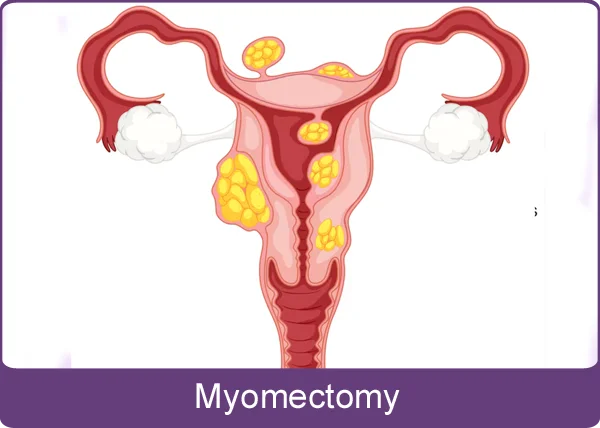
Uterine fibroids are non-cancerous growths that develop in or around the uterus. Although many fibroids do not cause symptoms, some can lead to heavy menstrual bleeding, pelvic pressure, abdominal discomfort, frequent urination, or fertility-related concerns. When fibroids significantly affect a woman's health or quality of life, surgical treatment may be considered.
Dr. Richa Arora Miglani, Minimally Invasive Gynaecological and Robotic Surgeon, offers individualized evaluation and treatment planning for women with uterine fibroids. With expertise in advanced laparoscopy, hysteroscopy, and minimally invasive gynaecological surgery, she assesses the size, number, and location of fibroids before discussing appropriate treatment options.
Myomectomy is a surgical procedure that removes uterine fibroids while preserving the uterus. It may be suitable for women who experience troublesome symptoms or wish to retain their uterus for personal or reproductive reasons.
If you are looking for Myomectomy Surgery in Shalimar Bagh, a specialist consultation can help determine whether fibroid removal is appropriate for your condition and future plans.
What Is Myomectomy?
Myomectomy is a surgical procedure performed to remove uterine fibroids while leaving the uterus in place. Unlike a hysterectomy, which involves removing the uterus, myomectomy focuses on removing the fibroids and preserving the uterine structure whenever possible.
The procedure may be recommended for women experiencing heavy menstrual bleeding, persistent pelvic pain, pressure symptoms, or selected fertility concerns associated with fibroids.
The most suitable surgical approach depends on factors such as fibroid size, number, location, depth within the uterine wall, previous surgeries, overall health, and pregnancy plans.
Common Symptoms of Uterine Fibroids
Fibroids can develop without causing noticeable symptoms. When symptoms occur, they may include:
-
Heavy menstrual bleeding: Periods that are unusually heavy or prolonged.
-
Pelvic pressure: A feeling of fullness or heaviness in the lower abdomen.
-
Abdominal discomfort: Pain or pressure associated with the size or location of fibroids.
-
Frequent urination: Fibroids pressing against the bladder may increase urinary frequency.
-
Constipation: Larger fibroids may put pressure on the bowel.
-
Painful periods: Menstrual cramps or discomfort may become more troublesome.
-
Fertility concerns: Certain fibroids, particularly those affecting the uterine cavity, may be associated with difficulties conceiving or pregnancy complications.
These symptoms can also occur with other conditions, so proper evaluation is essential before choosing treatment.
When Is Myomectomy Recommended?
Myomectomy may be considered when uterine fibroids cause significant symptoms or affect reproductive plans. A gynaecologist may discuss the procedure when:
-
Heavy menstrual bleeding affects daily activities or contributes to anaemia.
-
Fibroids cause persistent pelvic pressure or discomfort.
-
Fibroids interfere with the uterine cavity.
-
There are selected fertility concerns or a history of pregnancy complications associated with fibroids.
-
Medication has not provided sufficient symptom relief.
-
The patient wishes to preserve the uterus and surgery is considered appropriate.
Not every fibroid requires surgery. Observation, medication, or other treatments may be suitable depending on the patient's symptoms and clinical findings.
Types of Myomectomy Surgery
The surgical approach is selected according to the fibroids' location, size, number, and relationship to the uterine cavity.
1. Laparoscopic Myomectomy
Laparoscopic myomectomy is a minimally invasive procedure performed through small abdominal incisions using a camera and specialized instruments. The surgeon removes the fibroids and repairs the uterine wall as required.
Potential benefits include smaller incisions and, in appropriately selected patients, less postoperative discomfort and a shorter hospital stay compared with open surgery. Suitability depends on the complexity of the fibroids and the surgeon's assessment.
2. Hysteroscopic Myomectomy
Hysteroscopic myomectomy is used primarily for fibroids that project into the uterine cavity. A thin instrument with a camera is passed through the vagina and cervix, allowing the surgeon to remove suitable fibroids without abdominal incisions.
This approach may be considered for certain submucosal fibroids associated with heavy bleeding or reproductive concerns. Some fibroids require more than one procedure, depending on their size and depth.
3. Open Abdominal Myomectomy
Open myomectomy involves an abdominal incision to access and remove fibroids. It may be appropriate when fibroids are very large, numerous, or difficult to remove safely through minimally invasive techniques.
The recovery period is generally longer than with minimally invasive approaches, but open surgery may be the most appropriate option for some patients.
4. Robotic-Assisted Myomectomy
Robotic-assisted myomectomy uses a robotic surgical system controlled by the surgeon to perform the procedure through small incisions. It may be considered for selected cases that require precise dissection and uterine reconstruction.
Robotic surgery is not necessary or suitable for every patient. The recommended approach depends on the fibroid characteristics, available expertise, clinical needs, and potential risks.
Diagnosis and Evaluation Before Myomectomy
A detailed evaluation helps determine whether surgery is necessary and which approach may be appropriate.
1. Gynaecological Consultation
The doctor reviews symptoms, menstrual history, medical conditions, previous surgeries, and fertility goals.
2. Pelvic Ultrasound
Ultrasound helps assess fibroid size, number, and location. It may also provide information about the uterus and ovaries.
3. MRI Scan
MRI may be recommended when more detailed mapping of the fibroids is needed, particularly in complex cases or before certain surgical procedures.
4. Blood Tests
A complete blood count may be advised to check for anaemia caused by heavy menstrual bleeding. Other investigations may be recommended according to the patient's health and surgical plan.
5. Fertility and Pregnancy Planning
Women considering future pregnancy should discuss how fibroid location and removal may affect reproductive planning. The potential benefits and risks of surgery should be considered individually.
Benefits of Myomectomy
When appropriately indicated, myomectomy may help:
-
Reduce heavy menstrual bleeding associated with fibroids.
-
Relieve pelvic pressure and discomfort.
-
Address urinary or bowel pressure symptoms caused by fibroids.
-
Preserve the uterus.
-
Improve the uterine cavity in selected cases involving fertility concerns.
-
Support individualized reproductive planning.
Results vary depending on the patient's condition and the characteristics of the fibroids. Fibroids can develop again after surgery, and myomectomy does not guarantee pregnancy or eliminate every cause of infertility.
Risks and Recovery After Myomectomy
Like any operation, myomectomy carries potential risks, including bleeding, infection, anaesthesia-related complications, scar tissue formation, and injury to nearby structures. In some cases, significant bleeding may require additional treatment, including a blood transfusion or, rarely, hysterectomy.
Recovery depends on the surgical approach and the extent of the procedure. Patients undergoing hysteroscopic or laparoscopic surgery may recover sooner than those undergoing open abdominal surgery, although individual experiences vary.
After surgery, the doctor will provide instructions about wound care, physical activity, follow-up appointments, and when it is safe to resume normal activities. If future pregnancy is planned, the timing of conception and any delivery-related considerations should be discussed with the surgeon.
Why Choose Dr. Richa Arora Miglani?
Dr. Richa Arora Miglani specializes in minimally invasive gynaecological surgery, advanced laparoscopy, hysteroscopy, and robotic-assisted procedures. Her approach focuses on understanding each patient's symptoms, fibroid characteristics, and personal goals before recommending a treatment plan.
Women seeking Myomectomy Surgery in Shalimar Bagh can receive guidance on fibroid evaluation, uterus-preserving surgical options, recovery expectations, and fertility considerations. The recommended procedure is based on individual clinical findings and the safest appropriate approach.
When Should You Consult a Gynaecologist?
Consider a consultation if you experience unusually heavy periods, persistent pelvic pressure, worsening menstrual pain, frequent urination, or fertility concerns that may be associated with uterine fibroids.
Seek urgent medical attention if you experience very heavy bleeding accompanied by dizziness or fainting, or sudden severe abdominal or pelvic pain.
Early evaluation can help identify the cause of symptoms and determine whether monitoring, medication, or myomectomy may be appropriate.
Frequently Asked Questions (FAQs)
1. What is myomectomy surgery?
Myomectomy is a surgical procedure to remove uterine fibroids while preserving the uterus. It may be recommended for women with troublesome symptoms or selected fertility-related concerns associated with fibroids.
2. Is myomectomy better than hysterectomy?
Neither procedure is universally better. Myomectomy removes fibroids while preserving the uterus, whereas hysterectomy removes the uterus and permanently ends the ability to carry a pregnancy. The appropriate option depends on symptoms, medical findings, reproductive goals, and individual preferences.
3. Can fibroids return after myomectomy?
Yes. Myomectomy removes existing fibroids, but new fibroids may develop later. Follow-up may be recommended based on symptoms and the patient's clinical circumstances.
4. Which type of myomectomy is best?
The best approach depends on the size, number, and location of fibroids. Hysteroscopic surgery may suit fibroids within the uterine cavity, while laparoscopic, robotic-assisted, or open surgery may be considered for fibroids within or on the outer surface of the uterus.
5. Can I get pregnant after myomectomy?
Many women can become pregnant after myomectomy, but the outcome depends on age, other fertility factors, fibroid characteristics, and the surgery performed. The procedure does not guarantee pregnancy. Discuss conception timing and pregnancy planning with your surgeon.
6. How long does recovery take after myomectomy?
Recovery varies by surgical approach and individual health. Recovery after hysteroscopic or laparoscopic procedures is often shorter than after open surgery. Your surgeon will provide personalized instructions about returning to work, exercise, and other activities.
7. Is myomectomy always necessary for uterine fibroids?
No. Fibroids that do not cause symptoms may only require monitoring. Medication or other treatments may also be suitable. Surgery is considered when the expected benefits outweigh the potential risks.
8. How can I book a consultation for myomectomy in Shalimar Bagh?
Contact the clinic to enquire about an appointment with Dr. Richa Arora Miglani. Bring relevant ultrasound or MRI reports, blood test results if available, and details of your symptoms and reproductive plans.
Category : Myomectomy