
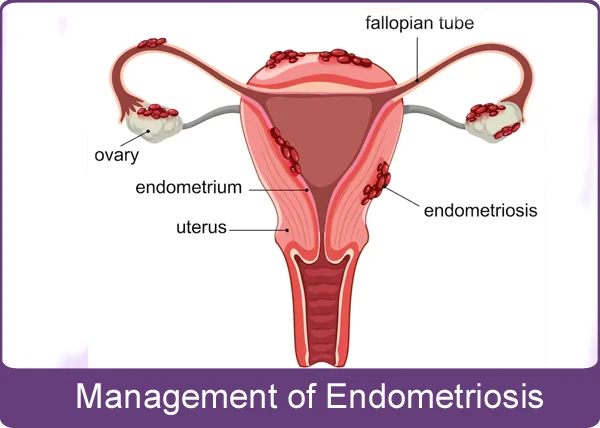
Management of Endometriosis
Endometriosis is a gynaecological condition in which tissue similar to the lining of the uterus grows outside the uterus, potentially affecting the ovaries, fallopian tubes, pelvic lining, and other nearby structures. It may cause painful periods, chronic pelvic pain, pain during intercourse, and difficulties with conception. Symptoms can vary from mild to severe and may affect a woman's daily activities and quality of life.
Dr. Richa Arora Miglani, Minimally Invasive Gynaecological and Robotic Surgeon, provides individualized evaluation and management for women experiencing symptoms of endometriosis. With expertise in advanced laparoscopy, hysteroscopy, and minimally invasive gynaecological procedures, she assesses the extent of the condition and discusses suitable treatment options according to each patient's symptoms, medical history, and fertility goals.
If you are looking for Endometriosis Treatment in Shalimar Bagh, a timely consultation can help identify the cause of your symptoms and develop a personalized management plan.
What Is Endometriosis?
Endometriosis occurs when tissue similar to the lining of the uterus grows in locations outside the uterine cavity. This tissue can respond to hormonal changes during the menstrual cycle, contributing to inflammation, pain, and sometimes scar tissue or adhesions.
Endometriosis may affect the ovaries, where it can form cysts called endometriomas. In some cases, it can involve deeper pelvic tissues or structures near the bowel and bladder.
The severity of symptoms does not always correspond to the extent of the disease. Some women experience significant pain with limited visible disease, while others may have extensive endometriosis with fewer symptoms.
Common Symptoms of Endometriosis
Symptoms differ from one woman to another. Common signs include:
-
Painful periods: Menstrual cramps that interfere with daily activities or do not respond adequately to usual pain relief.
-
Chronic pelvic pain: Persistent or recurring pain in the lower abdomen or pelvis.
-
Pain during intercourse: Discomfort or pain during or after sexual activity.
-
Heavy or irregular bleeding: Some women experience heavy periods or spotting between periods.
-
Pain during bowel movements or urination: These symptoms may be more noticeable around menstruation, particularly when nearby structures are involved.
-
Difficulty conceiving: Endometriosis may affect fertility in some women.
-
Fatigue and discomfort: Ongoing pain and disrupted sleep may contribute to tiredness and reduced quality of life.
Persistent or severe symptoms deserve medical assessment because other conditions can cause similar problems.
Causes and Risk Factors of Endometriosis
The exact cause of endometriosis is not fully understood. Several biological and genetic factors may contribute to its development.
Factors associated with endometriosis include:
-
A family history of endometriosis.
-
Menstrual and hormonal factors.
-
Immune and inflammatory processes.
-
Differences in how endometrial-like tissue develops or behaves.
-
Anatomical and genetic factors that may influence individual susceptibility.
Endometriosis can affect women during their reproductive years, and symptoms may continue even when menstrual patterns change. A clinical assessment is necessary to determine whether endometriosis is likely to be responsible for a patient's symptoms.
Diagnosis of Endometriosis
An accurate diagnosis helps guide treatment and determine whether additional investigations are needed.
1. Detailed Gynaecological Consultation
The doctor reviews menstrual history, pelvic pain, previous treatments, medical history, and fertility goals. The timing and pattern of symptoms can provide important clues.
2. Pelvic Examination
A pelvic examination may help identify tenderness, restricted movement, or other findings that support the suspected diagnosis. A normal examination does not rule out endometriosis.
3. Ultrasound Evaluation
Pelvic or transvaginal ultrasound can help identify ovarian endometriomas and certain forms of deep endometriosis. However, superficial endometriosis may not be visible on routine ultrasound.
4. MRI Scan
MRI may be recommended when deeper disease is suspected or more detailed mapping is needed to plan treatment, particularly when the bowel, bladder, or other pelvic structures may be involved.
5. Laparoscopy in Selected Cases
Laparoscopy allows a surgeon to inspect the pelvic organs through small abdominal incisions. It may be considered when surgery is appropriate for diagnosis or treatment. Surgery is not necessary for every patient before beginning endometriosis management.
Treatment Options for Endometriosis
The right approach depends on symptom severity, disease location, previous treatment, overall health, and whether the patient wishes to conceive.
1. Medication and Symptom Management
Pain-relieving medicines and hormonal treatments may help control symptoms. Depending on the patient's needs, options may include hormonal contraceptives or other hormone-based medicines that suppress endometriosis activity.
These treatments can reduce pain but may not eliminate the underlying lesions. The doctor considers potential benefits, side effects, contraindications, and reproductive plans before recommending medication.
2. Laparoscopic Endometriosis Surgery
Laparoscopic surgery uses small incisions and a camera to access the pelvic cavity. In selected patients, the surgeon may remove endometriosis lesions, divide adhesions, or treat affected tissue while aiming to preserve healthy organs where possible.
The type and extent of surgery depend on the location and severity of disease. Complex cases may require coordinated care with other specialists.
3. Endometrioma Treatment
An endometrioma is an ovarian cyst associated with endometriosis. Management may involve monitoring, medication for associated symptoms, or surgery in selected cases.
When surgery is considered, the potential benefits must be weighed against the risk of reducing ovarian reserve. Fertility goals and ovarian health are particularly important in treatment planning.
4. Deep Endometriosis Management
Deep endometriosis can involve tissues near the bowel, bladder, ureters, or other pelvic structures. Assessment and treatment planning may require specialized imaging and a multidisciplinary team.
Surgery is considered based on symptoms, organ involvement, risks, and response to other treatments. The approach should be tailored to the individual rather than based on the diagnosis alone.
5. Fertility-Focused Management
For women trying to conceive, the management plan considers age, ovarian reserve, fallopian tube function, other fertility factors, and the severity of endometriosis.
Surgery may be helpful in selected situations, but it does not guarantee pregnancy and may affect ovarian reserve. Some patients may benefit from fertility treatment or consultation with a fertility specialist instead of, or in addition to, surgery.
6. Long-Term Follow-Up
Endometriosis can be a long-term condition, and symptoms may return after treatment. Regular follow-up helps assess symptom control, review medication, monitor relevant findings, and adjust care as needs change.
Benefits of Appropriate Endometriosis Management
A personalized treatment plan may help:
-
Reduce menstrual and pelvic pain.
-
Improve comfort during daily activities.
-
Manage symptoms associated with endometriosis.
-
Address ovarian endometriomas when treatment is indicated.
-
Support informed fertility planning.
-
Improve quality of life through ongoing symptom management.
Outcomes vary between individuals. Endometriosis may recur, and no treatment can guarantee complete or permanent relief.
Why Choose Dr. Richa Arora Miglani?
Dr. Richa Arora Miglani specializes in minimally invasive gynaecological surgery, advanced laparoscopy, and robotic-assisted surgical techniques. Her approach emphasizes careful assessment, individualized treatment planning, and discussion of suitable medical and surgical options.
Women seeking Endometriosis Treatment in Shalimar Bagh can receive guidance on diagnostic evaluation, laparoscopic management when appropriate, fertility considerations, and follow-up care. Treatment recommendations are based on the patient's clinical needs, with attention to symptom relief and preservation of reproductive health whenever possible.
When Should You Consult a Gynaecologist?
Consider scheduling a consultation if you experience:
-
Severe or worsening menstrual pain.
-
Pelvic pain that affects daily life.
-
Pain during intercourse.
-
Pain during bowel movements or urination, especially around menstruation.
-
Persistent symptoms despite medication.
-
Difficulty conceiving or concerns about fertility.
Seek urgent medical attention for sudden severe pelvic or abdominal pain, fainting, fever with significant pain, or heavy bleeding accompanied by weakness or dizziness.
Early assessment can help clarify the cause of symptoms and identify appropriate treatment options.
Frequently Asked Questions (FAQs)
1. What is endometriosis?
Endometriosis is a condition in which tissue similar to the uterine lining grows outside the uterus. It can cause inflammation, pelvic pain, painful periods, and sometimes fertility difficulties. The symptoms and extent of disease vary between patients.
2. Can endometriosis be treated without surgery?
Yes. Many patients can begin with medication, hormonal treatment, and symptom management. Surgery may be considered when symptoms persist, specific complications are present, or there is another clinical reason for intervention.
3. Is laparoscopic surgery effective for endometriosis?
Laparoscopic surgery can remove or treat endometriosis lesions and may improve pain in selected patients. Results depend on the location and severity of the disease. Symptoms can recur, so postoperative management and follow-up may be needed.
4. Can endometriosis affect fertility?
Endometriosis may affect fertility in some women, but many women with the condition conceive naturally. Fertility assessment considers several factors, including age, ovarian reserve, fallopian tube function, and other possible causes of infertility.
5. Can endometriosis return after treatment?
Yes. Symptoms or lesions may recur after medical or surgical treatment. Long-term management and follow-up can help monitor symptoms and determine whether treatment adjustments are needed.
6. How is endometriosis diagnosed?
Diagnosis begins with a medical history and gynaecological assessment. Ultrasound or MRI may help identify ovarian cysts or deep disease. Laparoscopy may be considered in selected cases, but surgery is not required for every patient before treatment begins.
7. When should I seek endometriosis treatment in Shalimar Bagh?
Consider consulting a gynaecologist if painful periods, persistent pelvic pain, pain during intercourse, or fertility concerns affect your well-being. A consultation can help evaluate possible causes and determine suitable next steps.
8. How can I book an appointment with Dr. Richa Arora Miglani?
Contact the clinic to enquire about an appointment with Dr. Richa Arora Miglani. Bring any relevant ultrasound or MRI reports, previous treatment records, and a summary of your symptoms to support the consultation.
Category : Management of Endometriosis