
Isthmocele Treatment
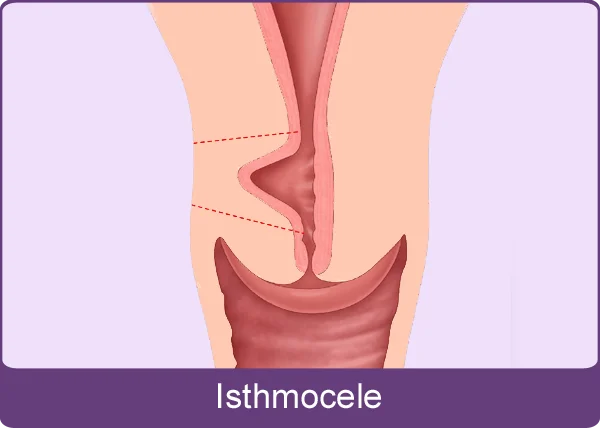
An isthmocele, also known as a caesarean scar defect or caesarean scar niche, is a pouch-like indentation that may develop in the wall of the uterus at the site of a previous C-section. It can occur when the caesarean scar does not heal completely and may sometimes cause symptoms such as prolonged menstrual bleeding, spotting after periods, pelvic discomfort, or difficulty conceiving.
Dr. Richa Arora Miglani, Minimally Invasive Gynaecological and Robotic Surgeon, provides individualized assessment and treatment planning for women experiencing symptoms associated with an isthmocele. With expertise in advanced laparoscopy and hysteroscopy, she evaluates the scar defect, its size, the thickness of the remaining uterine muscle, and the patient's symptoms and reproductive plans before recommending suitable care.
If you are looking for Isthmocele Treatment in Shalimar Bagh, a detailed gynaecological evaluation can help determine whether observation, further investigations, or surgical treatment may be appropriate.
What Is an Isthmocele?
An isthmocele is a defect or niche in the uterine wall that develops at the site of a previous caesarean section. It may occur when the incision heals with a small indentation or pouch in the lower part of the uterus.
Not every isthmocele causes symptoms or requires treatment. The appropriate approach depends on factors such as the size and depth of the defect, the thickness of the remaining uterine muscle, bleeding patterns, pain, and whether the patient wishes to become pregnant in the future.
Common Symptoms of an Isthmocele
Some women may have an isthmocele without noticeable symptoms. Others may experience:
-
Post-menstrual spotting: Light bleeding or brown discharge that continues after the period ends.
-
Prolonged menstrual bleeding: Periods that last longer than usual.
-
Pelvic discomfort: Pain or discomfort in the lower abdomen or pelvis.
-
Pain during intercourse: Discomfort during sexual activity in some cases.
-
Difficulty conceiving: A scar defect may be associated with fertility challenges in certain patients.
-
Pregnancy-related concerns: A significant caesarean scar defect may require assessment before another pregnancy.
These symptoms can also occur with other gynaecological conditions, so an accurate diagnosis is important.
Causes and Risk Factors
An isthmocele is most commonly associated with a previous caesarean delivery. Its development may be influenced by several factors, including:
-
Healing of the uterine incision after a C-section.
-
The position and characteristics of the original uterine incision.
-
The thickness and condition of the uterine muscle at the scar site.
-
Individual differences in tissue healing.
-
Other factors related to the caesarean procedure and recovery.
Having a caesarean section does not necessarily mean that an isthmocele will develop.
Diagnosis of Isthmocele
Accurate diagnosis helps the gynaecologist determine whether the scar defect is responsible for symptoms and whether treatment is necessary.
Evaluation may include:
1. Gynaecological Consultation
The doctor reviews previous caesarean deliveries, menstrual patterns, symptoms, fertility goals, and relevant medical history.
2. Transvaginal Ultrasound
An ultrasound may help identify the scar niche, measure its dimensions, and assess the thickness of the remaining uterine muscle.
3. Saline Infusion Sonography
In selected cases, fluid is introduced into the uterine cavity during ultrasound to provide a clearer view of the defect.
4. Diagnostic Hysteroscopy
A thin camera is passed through the cervix to examine the inside of the uterus. It may help assess the niche and determine whether hysteroscopic treatment could be suitable.
5. Additional Imaging
Further imaging, such as MRI, may be considered when the anatomy is unclear or more detailed assessment is needed.
Treatment Options for Isthmocele
Treatment depends on the severity of symptoms, the anatomy of the defect, the thickness of the remaining uterine muscle, and future pregnancy plans.
1. Observation and Monitoring
If the isthmocele is small and does not cause significant symptoms, monitoring may be appropriate. The doctor may recommend follow-up based on the patient's clinical situation.
2. Hysteroscopic Isthmocele Treatment
Hysteroscopic treatment involves accessing the uterine cavity through the cervix using a thin camera and specialized instruments. In selected cases, the niche may be treated to improve drainage of menstrual blood and reduce spotting.
This approach is not suitable for every scar defect. The thickness of the remaining uterine muscle and the proximity of surrounding structures must be carefully assessed before treatment.
3. Laparoscopic Isthmocele Repair
Laparoscopic repair may be considered for selected patients, particularly when the defect is deep or the remaining uterine muscle is thin. Through small abdominal incisions, the surgeon can access the scar area, repair the defect, and reconstruct the uterine wall when appropriate.
The suitability of this approach depends on the patient's anatomy, symptoms, and reproductive plans.
4. Individualized Fertility Planning
For women who wish to conceive, treatment decisions require careful discussion. The doctor evaluates the scar defect and other possible causes of infertility before recommending an approach. Surgical repair may be considered in selected cases, but improvement in fertility cannot be guaranteed.
Benefits and Considerations of Isthmocele Treatment
When appropriately selected, treatment may help:
-
Reduce persistent spotting after menstruation.
-
Address bleeding associated with the scar niche.
-
Improve symptoms linked to retained menstrual blood.
-
Support individualized fertility planning when relevant.
-
Provide a clearer management plan for future pregnancy considerations.
Every procedure has potential risks, including bleeding, infection, injury to nearby organs, and complications related to anaesthesia. The risks vary according to the procedure and individual medical circumstances. Surgery does not guarantee symptom resolution or pregnancy.
Why Choose Dr. Richa Arora Miglani?
Dr. Richa Arora Miglani specializes in minimally invasive gynaecological surgery, advanced laparoscopy, and hysteroscopy. Her approach focuses on evaluating each patient's condition and discussing suitable options based on symptoms, clinical findings, and personal goals.
Patients seeking Isthmocele Treatment in Shalimar Bagh can receive guidance on diagnostic investigations, potential surgical approaches, recovery considerations, and future pregnancy planning. Treatment recommendations are individualized, with an emphasis on informed decision-making and appropriate follow-up.
When Should You Consult a Gynaecologist?
Consider a gynaecological consultation if you experience persistent spotting after periods, prolonged menstrual bleeding, pelvic discomfort following a C-section, or concerns about fertility after a caesarean delivery.
Seek urgent medical attention if you have severe abdominal pain, heavy bleeding, fainting, or possible pregnancy with pain or bleeding.
Early evaluation can help identify the cause of symptoms and determine whether an isthmocele requires treatment.
Frequently Asked Questions (FAQs)
1. What is an isthmocele?
An isthmocele is a pouch-like defect in the uterine wall at the site of a previous caesarean section. It may be associated with spotting after periods, prolonged bleeding, pelvic discomfort, or fertility concerns, although some women have no symptoms.
2. Can an isthmocele heal on its own?
A scar niche may remain present over time, even if symptoms change. Not every isthmocele requires treatment. The doctor can recommend monitoring or other management based on the defect's size, symptoms, and clinical findings.
3. Is surgery always necessary for an isthmocele?
No. Surgery is generally considered when symptoms are significant or specific clinical concerns justify intervention. Women without troublesome symptoms may be managed with observation, depending on their circumstances.
4. Which surgery is used to treat an isthmocele?
Treatment may involve hysteroscopic correction or laparoscopic repair. The choice depends on the depth of the defect, the thickness of the remaining uterine muscle, symptoms, and future pregnancy plans. Some patients may not need surgery.
5. Can an isthmocele affect pregnancy?
An isthmocele may be associated with fertility difficulties in some women and can be relevant to planning a future pregnancy. Its significance varies from patient to patient, so an individualized assessment is important before conception.
6. How is an isthmocele diagnosed?
Diagnosis commonly involves a gynaecological consultation and transvaginal ultrasound. Saline infusion sonography, hysteroscopy, or additional imaging may be recommended when further detail is needed.
7. How can I consult Dr. Richa Arora Miglani for isthmocele treatment in Shalimar Bagh?
You can contact the clinic to enquire about an appointment with Dr. Richa Arora Miglani. Bring relevant ultrasound reports, previous caesarean delivery records if available, and details of your symptoms to help guide the consultation.
Category : Isthmocele