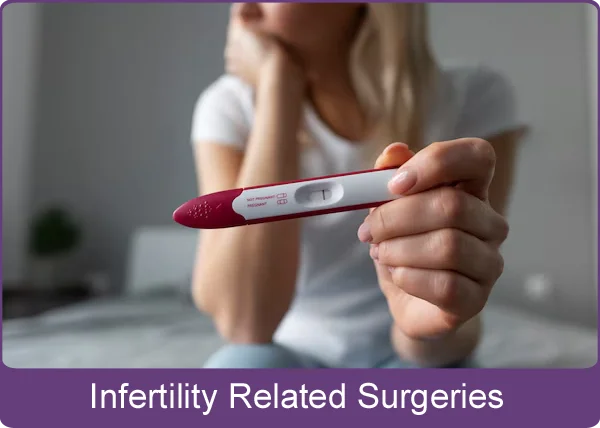
Infertility Related Surgeries
Infertility can be emotionally and physically challenging for individuals and couples who are trying to conceive. In some cases, underlying gynaecological conditions affecting the uterus, fallopian tubes, or ovaries may contribute to difficulties with conception. Infertility-related surgeries aim to diagnose and treat selected structural or anatomical problems that may affect reproductive health.
If you are looking for Infertility Related Surgeries in Shalimar Bagh, Dr. Richa Arora Miglani offers specialized gynaecological evaluation and surgical care, with expertise in minimally invasive procedures. Treatment recommendations are based on the cause of infertility, medical history, age, reproductive goals, and the results of appropriate investigations.
What Are Infertility-Related Surgeries?
Infertility-related surgeries are procedures used to investigate or correct certain reproductive system abnormalities that may interfere with conception. Depending on the diagnosis, treatment may involve hysteroscopy, laparoscopy, or other appropriate surgical techniques.
Surgery is not necessary for every person experiencing infertility. A comprehensive fertility assessment helps determine whether a surgically treatable condition is present and whether an operation is likely to improve reproductive outcomes.
Conditions That May Require Infertility-Related Surgery
1. Uterine Polyps
Uterine polyps are growths that develop in the lining of the uterus. Depending on their size and location, they may affect the uterine cavity. Hysteroscopic removal may be considered when clinically indicated.
2. Uterine Fibroids
Certain fibroids, particularly those that distort the uterine cavity, may affect fertility or pregnancy outcomes. Myomectomy may be recommended in selected cases to remove fibroids while preserving the uterus.
3. Intrauterine Adhesions
Intrauterine adhesions are bands of scar tissue that form inside the uterus. They may affect menstruation and reproductive function. Hysteroscopic adhesiolysis can be considered to divide adhesions when appropriate.
4. Endometriosis
Endometriosis occurs when tissue similar to the uterine lining grows outside the uterus. In selected patients, laparoscopic surgery may help manage endometriosis and associated pelvic abnormalities. The potential benefits for fertility depend on individual circumstances.
5. Fallopian Tube Abnormalities
Blocked or damaged fallopian tubes can interfere with the meeting of the egg and sperm. Depending on the location and severity of the blockage, selected patients may benefit from surgical treatment. In other cases, assisted reproductive techniques may be more appropriate.
6. Ovarian Cysts and Pelvic Conditions
Some ovarian cysts or pelvic abnormalities may require surgical assessment. Surgery must be carefully planned to protect healthy ovarian tissue and consider the patient's future fertility.
Types of Infertility-Related Surgeries
1. Hysteroscopic Surgery
Hysteroscopy allows the surgeon to examine the inside of the uterus and treat selected abnormalities through the cervix, without abdominal incisions. It may be used to remove uterine polyps, treat certain fibroids, or divide intrauterine adhesions.
2. Laparoscopic Surgery
Laparoscopy uses a small camera and specialized instruments inserted through small abdominal incisions. It may be recommended for selected cases of endometriosis, pelvic adhesions, ovarian cysts, or other conditions affecting reproductive organs.
3. Myomectomy
Myomectomy is a procedure to remove uterine fibroids while preserving the uterus. It may be considered when fibroids are associated with infertility or pregnancy-related concerns and removal is expected to provide a clinical benefit.
4. Ovarian Cystectomy
Ovarian cystectomy involves removing an ovarian cyst while preserving the ovary when possible. The surgical approach depends on the cyst's type, size, symptoms, and potential impact on ovarian reserve.
5. Treatment of Pelvic Adhesions
Pelvic adhesions may develop following surgery, infection, endometriosis, or other conditions. In selected cases, laparoscopic surgery may be used to divide adhesions that affect reproductive anatomy.
How Is Infertility-Related Surgery Planned?
Surgical treatment begins with a thorough assessment to understand the cause of infertility and determine whether surgery is appropriate.
Step 1: Fertility Evaluation
The doctor reviews reproductive history, menstrual patterns, previous pregnancies, symptoms, and previous treatment.
Step 2: Diagnostic Investigations
Depending on the situation, investigations may include pelvic ultrasound, hormone tests, assessment of ovulation, fallopian tube testing, and semen analysis for the partner.
Step 3: Identifying the Cause
The results help determine whether a structural or anatomical abnormality may be contributing to infertility.
Step 4: Individualized Treatment Planning
The doctor discusses possible surgical options, nonsurgical alternatives, expected benefits, potential risks, and the impact on future fertility.
Step 5: Recovery and Follow-Up
After surgery, follow-up care helps assess healing and determine the appropriate timing for attempting conception or pursuing other fertility treatments.
Benefits of Minimally Invasive Infertility Surgery
When clinically appropriate, minimally invasive procedures may offer several benefits:
-
Smaller incisions compared with open abdominal surgery.
-
Potentially less postoperative discomfort.
-
Shorter hospital stays in suitable cases.
-
Earlier return to normal activities.
-
Direct visualization of certain reproductive structures.
-
Treatment of selected abnormalities while preserving healthy tissue.
The benefits depend on the condition and procedure. Surgery also carries risks, including bleeding, infection, scar tissue formation, and injury to nearby organs. Some procedures involving the ovaries may affect ovarian reserve, so fertility goals must be considered during treatment planning.
Why Choose Dr. Richa Arora Miglani?
Dr. Richa Arora Miglani is a Minimally Invasive Gynaecological and Robotic Surgeon with over 25 years of experience, according to her professional profile. Her expertise includes advanced laparoscopy, hysteroscopy, and the surgical management of various gynaecological conditions.
Patients seeking Infertility Related Surgeries in Shalimar Bagh can consult her to discuss relevant investigations, potential surgical options, and fertility-conscious treatment planning.
-
Specialized Surgical Expertise: Experience in laparoscopic and hysteroscopic gynaecological procedures.
-
Individualized Evaluation: Assessment of reproductive history, symptoms, and diagnostic findings.
-
Fertility-Conscious Planning: Consideration of healthy reproductive tissue preservation wherever appropriate.
-
Minimally Invasive Options: Evaluation of less invasive procedures when suitable for the condition.
-
Personalized Guidance: Clear discussions about treatment alternatives, potential risks, and expected recovery.
When Should You Consult a Specialist?
Consider a fertility evaluation if you have been trying to conceive without success, have irregular or absent periods, experience severe menstrual pain, or have a known uterine, ovarian, or fallopian tube condition.
Infertility is not always caused by a problem that can be corrected with surgery. A comprehensive assessment of both partners is important to identify the most suitable treatment pathway.
If you are looking for Infertility Related Surgeries in Shalimar Bagh, consult Dr. Richa Arora Miglani to discuss your reproductive health concerns and available treatment options.
Frequently Asked Questions
1. What Are Infertility-Related Surgeries?
Infertility-related surgeries are procedures used to treat selected abnormalities affecting reproductive organs, such as uterine polyps, certain fibroids, intrauterine adhesions, endometriosis, or pelvic adhesions. Surgery is recommended only when clinically appropriate.
2. Can Surgery Help Improve Fertility?
Surgery may improve the chances of conception in selected patients by correcting certain structural problems. Outcomes depend on the underlying condition, age, ovarian reserve, other fertility factors, and the type of treatment performed.
3. Is Laparoscopic Surgery Used for Infertility Treatment?
Yes. Laparoscopic surgery may be used to treat selected cases of endometriosis, pelvic adhesions, ovarian cysts, and other pelvic conditions. The procedure is recommended only when the expected benefits outweigh the risks.
4. Can Uterine Fibroids Cause Infertility?
Some fibroids, particularly those that distort the uterine cavity, may affect fertility. Myomectomy may be considered in selected cases after evaluating the fibroids' size, location, symptoms, and potential impact on pregnancy.
5. Is Surgery Always Required to Treat Infertility?
No. Many patients conceive with medication, fertility treatments, or without surgical intervention. Treatment depends on the cause of infertility and the results of a comprehensive evaluation.
6. How Long Does Recovery Take After Infertility Surgery?
Recovery depends on the procedure performed. Hysteroscopy may involve a relatively short recovery, while laparoscopic or more complex operations may require additional healing time. Your surgeon will provide personalized instructions.
7. Where Can I Get Infertility Related Surgeries in Shalimar Bagh?
You can contact Dr. Richa Arora Miglani's clinic through its official website or available appointment details to arrange a consultation and discuss your fertility concerns and treatment options.
Category : Infertility Related Surgeries