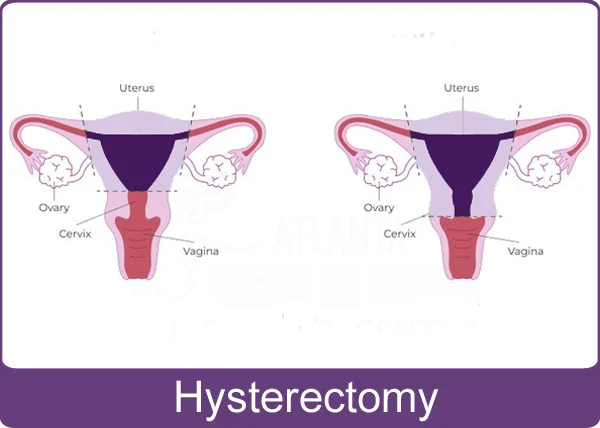
Hysterectomy
Hysterectomy is a surgical procedure to remove the uterus and is recommended for certain gynaecological conditions when other treatments are ineffective or surgery is considered the most appropriate option. Women experiencing uterine fibroids, persistent heavy menstrual bleeding, adenomyosis, uterine prolapse, or certain gynaecological cancers may benefit from a detailed evaluation to determine whether hysterectomy is suitable.
If you are looking for Hysterectomy Treatment in Shalimar Bagh, Dr. Richa Arora Miglani offers specialized gynaecological surgical care, with expertise in minimally invasive and robotic-assisted procedures. Treatment recommendations are based on the patient's symptoms, diagnosis, medical history, and individual health needs.
What Is a Hysterectomy?
A hysterectomy is an operation in which the uterus is surgically removed. After the procedure, menstruation stops, and pregnancy is no longer possible. Depending on the underlying condition, the cervix, fallopian tubes, or ovaries may also need to be removed, but this varies from patient to patient.
Women considering Hysterectomy Treatment in Shalimar Bagh should consult an experienced gynaecological surgeon to understand the available surgical approaches, expected recovery, potential risks, and long-term implications.
When Is Hysterectomy Recommended?
A hysterectomy may be considered for several conditions affecting the uterus and surrounding reproductive organs.
-
Uterine Fibroids: Fibroids causing significant bleeding, pelvic pressure, pain, or other persistent symptoms.
-
Adenomyosis: A condition in which tissue similar to the uterine lining grows into the muscular wall of the uterus.
-
Endometriosis: Selected cases involving severe symptoms when other treatment options have not provided adequate relief.
-
Abnormal Uterine Bleeding: Persistent or heavy menstrual bleeding that has not responded to appropriate treatment.
-
Uterine Prolapse: A condition in which the uterus descends into the vaginal canal due to weakened pelvic support.
-
Gynaecological Cancers: Certain cancers of the uterus or cervix that require surgical management.
-
Chronic Pelvic Pain: Selected cases where the cause has been carefully evaluated and hysterectomy is considered appropriate.
The decision to proceed with surgery depends on the diagnosis, symptom severity, previous treatments, fertility preferences, and overall health.
Types of Hysterectomy Procedures
The appropriate type of hysterectomy depends on the patient's medical condition and surgical requirements.
1. Abdominal Hysterectomy
This procedure involves removing the uterus through an incision in the abdomen. It may be recommended for selected patients with a significantly enlarged uterus, complex pelvic conditions, or other clinical considerations.
2. Vaginal Hysterectomy
The uterus is removed through the vagina without an abdominal incision. This approach may be suitable for certain patients, particularly those with uterine prolapse or specific benign conditions.
3. Laparoscopic Hysterectomy
Laparoscopic hysterectomy uses small abdominal incisions and a camera-assisted surgical technique. When appropriate, it may offer benefits such as smaller incisions, less postoperative discomfort, and a shorter hospital stay compared with open surgery.
4. Robotic-Assisted Hysterectomy
Robotic-assisted hysterectomy uses specialized surgical instruments and a high-definition camera controlled by the surgeon. It may be considered for selected cases requiring precise surgical movements and detailed visualization.
Dr. Richa Arora Miglani evaluates each patient's condition to determine the most appropriate surgical approach, taking into account the potential benefits and limitations of each method.
Benefits of Minimally Invasive Hysterectomy
When clinically appropriate, laparoscopic or robotic-assisted hysterectomy may offer several benefits compared with open abdominal surgery.
-
Smaller surgical incisions
-
Potentially reduced postoperative discomfort
-
Less blood loss in some cases
-
Shorter hospital stay in suitable patients
-
Faster return to routine activities
-
Reduced wound-related complications in selected cases
These benefits vary depending on the patient's health, the complexity of the procedure, and the surgical technique used. Minimally invasive surgery is not suitable for every patient.
How Is Hysterectomy Performed?
The procedure generally involves several stages to ensure appropriate planning and postoperative care.
Step 1: Consultation and Evaluation
The surgeon reviews symptoms, medical history, previous treatments, and diagnostic investigations to confirm the underlying condition.
Step 2: Preoperative Assessment
Depending on the case, investigations may include pelvic ultrasound, blood tests, cervical screening, endometrial assessment, or other tests as indicated.
Step 3: Surgical Planning
The surgeon discusses the recommended procedure, anaesthesia, expected recovery, possible risks, and whether the ovaries, fallopian tubes, or cervix need to be removed.
Step 4: Surgery
The uterus is removed using the selected surgical approach under appropriate anaesthesia.
Step 5: Recovery and Follow-Up
After surgery, the patient receives guidance on wound care, pain management, activity restrictions, and follow-up appointments.
Recovery After Hysterectomy
Recovery time depends on the type of surgery, the patient's overall health, and whether complications occur. Some patients return to routine activities sooner after minimally invasive surgery than after open abdominal surgery.
During recovery, patients are generally advised to:
-
Follow the surgeon's medication and wound-care instructions.
-
Avoid heavy lifting and strenuous activities until medically cleared.
-
Attend scheduled follow-up appointments.
-
Follow instructions regarding bathing, driving, and returning to work.
-
Avoid vaginal intercourse until the surgeon confirms it is safe.
Seek prompt medical attention for fever, worsening abdominal pain, heavy bleeding, foul-smelling discharge, breathing difficulties, or other concerning symptoms.
Why Choose Dr. Richa Arora Miglani for Hysterectomy?
Dr. Richa Arora Miglani is a Minimally Invasive Gynaecological and Robotic Surgeon with over 25 years of experience, according to her professional profile. Her expertise includes laparoscopic hysterectomy, robotic-assisted surgery, and the management of complex gynaecological conditions.
Patients seeking Hysterectomy Treatment in Shalimar Bagh can benefit from an individualized assessment and a discussion of suitable treatment options.
-
Specialized Surgical Expertise: Experience in minimally invasive and robotic-assisted gynaecological procedures.
-
Personalized Treatment Planning: Surgical recommendations based on diagnosis, symptoms, and individual needs.
-
Multiple Surgical Approaches: Evaluation of abdominal, vaginal, laparoscopic, and robotic-assisted options where appropriate.
-
Informed Decision-Making: Clear discussion of potential benefits, risks, alternatives, and recovery expectations.
-
Comprehensive Follow-Up: Guidance on postoperative care and recovery requirements.
Book a Hysterectomy Consultation in Shalimar Bagh
If you are experiencing persistent heavy menstrual bleeding, uterine fibroids, uterine prolapse, or other gynaecological concerns, a specialist consultation can help identify the cause and determine suitable treatment options.
Consult Dr. Richa Arora Miglani to discuss whether hysterectomy or an alternative treatment may be appropriate for your condition. The goal is to help you make an informed decision based on your health needs and personal preferences.
Frequently Asked Questions
1. What Is Hysterectomy Treatment?
Hysterectomy treatment involves surgically removing the uterus to manage certain conditions, including uterine fibroids, adenomyosis, persistent abnormal bleeding, uterine prolapse, and selected gynaecological cancers.
2. When Should a Woman Consider Hysterectomy?
Hysterectomy may be considered when symptoms are severe, other treatments have failed or are unsuitable, or surgery is necessary for a specific condition. The decision should be made after a thorough medical evaluation.
3. Is Laparoscopic Hysterectomy Better Than Open Surgery?
Laparoscopic hysterectomy may offer smaller incisions, less postoperative discomfort, and faster recovery for suitable patients. However, the best approach depends on the underlying condition, medical history, and surgical complexity.
4. How Long Does It Take to Recover After Hysterectomy?
Recovery varies by surgical approach and individual health. Many patients need several weeks to recover, with open surgery often requiring longer than minimally invasive procedures. Your surgeon will provide personalized recovery instructions.
5. Can I Get Pregnant After a Hysterectomy?
No. Pregnancy cannot be carried after the uterus is removed. Women who wish to have children should discuss fertility-preserving alternatives with their gynaecologist before deciding on surgery.
6. Are the Ovaries Always Removed During Hysterectomy?
No. The ovaries do not always need to be removed. Their removal depends on the patient's condition, age, risk factors, and surgical indication. Preserving healthy ovaries may help maintain natural hormone production.
7. How Can I Find Hysterectomy Treatment in Shalimar Bagh?
You can arrange a consultation with Dr. Richa Arora Miglani to discuss your symptoms, diagnostic findings, and suitable treatment options. Contact the clinic through its official website or appointment details for scheduling information.
Category : Hysterectomy